Justin Sonnenreich
I started three companies before I turned twenty-three and sold two of them. The one I kept is MarkitAds, where trained student teams do the work that usually gets outsourced to an ad account.

Three companies.
Two are somebody else’s now.
I was fifteen when I started taking apart how limited sneaker releases actually work. Everything since has been a version of the same question: who really controls distribution, and what does it cost to get in.
Boosted Notify
Sneaker release intelligence, built at sixteen. More than eighty clients a month at peak. Acquired by the COOKLAB Group in 2019.
Read the story →Mission: Mentor
A nonprofit that gave away the college guidance families normally pay thousands for, co-founded while running MarkitAds. More than ten thousand students used it before Crimson acquired it in September 2022.
Read the story →MarkitAds
Started at sixteen out of a bedroom in Bethesda. Today around twelve people. The one I kept.
Read the story →I sold two businesses I started as a teenager. The acquirer confirmations are in progress, and until they are in writing I will not put a number on it. That rule applies to everything else here too.
Three things.
I turn down the rest.

Campus activations
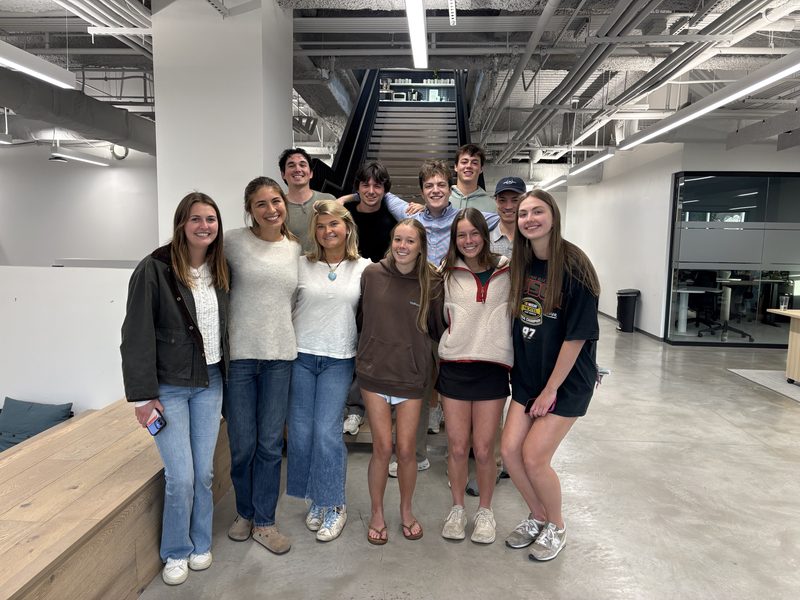
Trained student operators run tabling, events and signups on their own campuses. They live where the work happens, which is the whole reason it works.
PR and earned media
Getting founders and brands in front of journalists who actually cover them. Every placement documented at the source, and never promised in advance.
Go-to-market for the student market
Positioning, channel maths and launch planning for brands entering the student market. This is the thinking that sits behind the activations, and it is what I get asked for most often.
Sit down with me
on the whole story.
I recorded a long conversation about starting companies at sixteen, how campus distribution actually works, and the parts I got wrong on the way. The recording exists. The upload is being redone, and it will play here when it is back.
Recorded with Dennis Yu of BlitzMetrics, 2026.
Not my words.
Every quote here has a name, a role, a score, and a link to where it was said. The complete proof library keeps client testimonials, leadership recommendations, community reactions, and recognition in their proper lanes.
“You surpassed our prescribed goals! Communication and execution were terrific! We will certainly work with you again.”
“Justin Sonnenreich is a great example of an AI Builder in our program.”
“MarkitAds is the best one I’ve ever hired.”
“They actually perform, are professional, and are always transparent about their work.”
“MarkitAds is doing a fantastic job revolutionizing the PR industry.”
“The attention to detail for branding and quality of daily content were excellent!”
Leo Pohlmann helped assemble Justin’s entity home. See Leo’s public account of the collaboration →
Where the work
ended up.
Outlets that ran stories my clients earned. No logo wall until every one of these is a working link.
Not building alone.
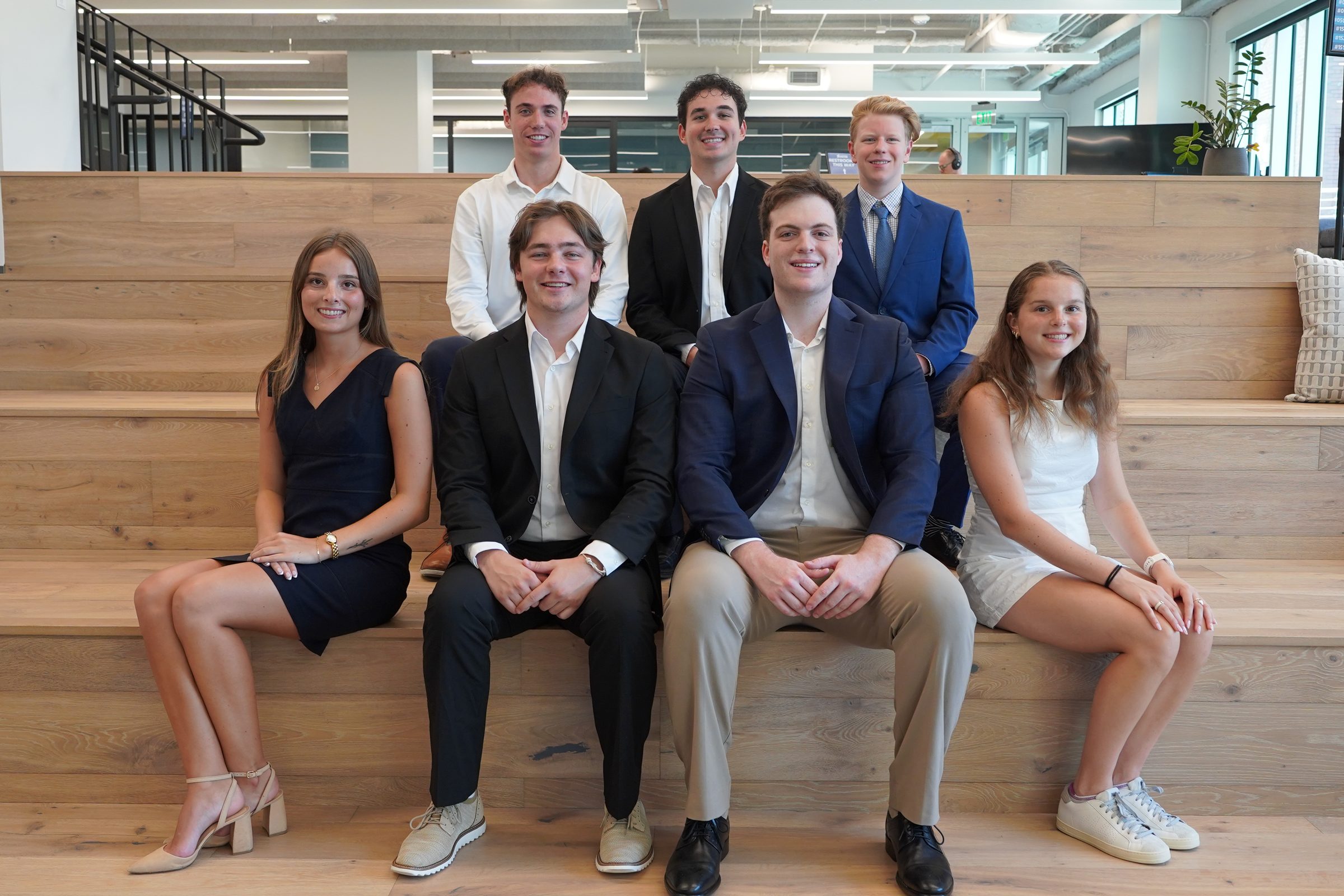
About twelve people, plus advisors at Launch Chapel Hill and 1789.
Everywhere else
I actually am.
Thirty minutes,
and you are talking
to me.
Not a sales queue, not an assistant. If you want to work together, or you just want to ask how something on this page was done, that is the same calendar.
No gambling · No alcohol · No nicotine
Campus trust is the asset.
- Role
- Founder & CEO, MarkitAds
- Based
- Bethesda, MD and Chapel Hill, NC
- justin@markitpr.com